
Deploy an Azure Web App via an Azure DevOps CD Pipeline
This post is a walk-through deploying a Streamlit Python app to Azure App Service from an Azure DevOps Pipeline.

This post is a walk-through deploying a Streamlit Python app to Azure App Service from an Azure DevOps Pipeline.

Microsoft Fabric includes a rich set of Data Science features, including Jupyter notebooks and the Synapse ML library, enabling scalable machine learning features. In this post we'll use Synapse ML to update an Azure AI Search index from a Jupyter notebook.

Microsoft is a leader in enterprise-focused AI and Data Science tools and platforms. However, it can be confusing to choose between services that have overlapping feature sets. What factors are important to consider when choosing between Fabric and Azure Machine Learning?

Microsoft Fabric's Data Science workload leverages Synapse ML for training and are ideally suited to enrich data stored in a data lake. This video walks through the steps to export a model from Fabric, Import it into an Azure ML workspace, and deploy it to a real-time inference endpoint

Explore Azure Machine Learning's selection of pre-trained models from leading sources like OpenAI, Microsoft, and Hugging Face. In this video I'll guide you through the process of choosing, deploying a model on Azure's computing services, and accessing it through a REST API.

This video shows you how to use Azure AI sentiment analysis machine learning models within a Fabric Jupyter notebook to add user sentiment features to Data Lake tables.
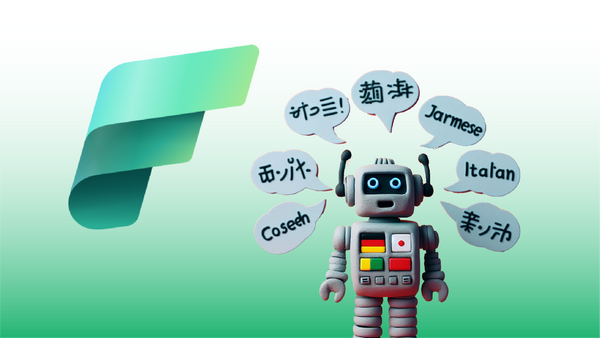
We can leverage Azure AI services directly in Spark notebooks to enrich and transform data using Language AI Services. Learn how to use these powerful services using a Python Jupyter notebook stored in a Fabric workspace.
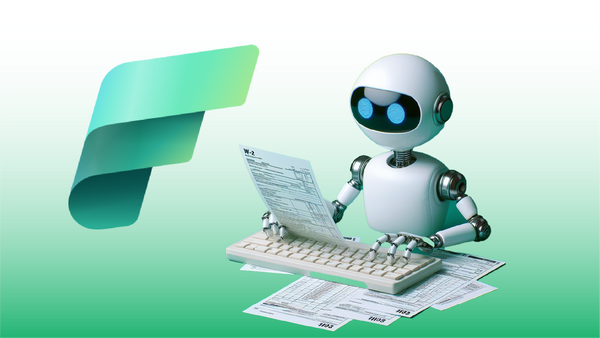
In this post learn how to build a Document Intelligence solution within Microsoft Fabric. This solution incorporates Azure AI to extract text from scanned documents. Using a Spark Notebook and Synapse ML, we can easily ingest scanned document data into a Data Lake solution.
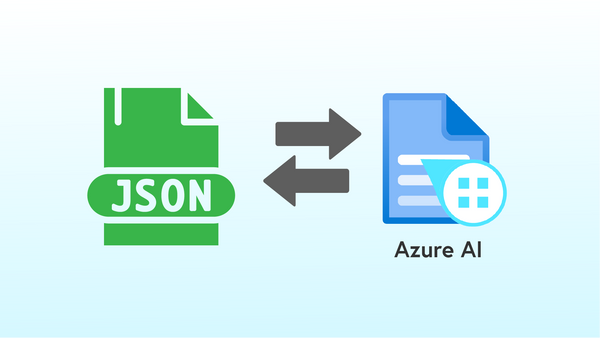
Azure AI Document Intelligence can read images and PDF scans of forms, extracting data for later use in data solutions. While various language SDKs are available, it's also possible to call these services directly using the REST API. This tutorial walks through the REST API process.